
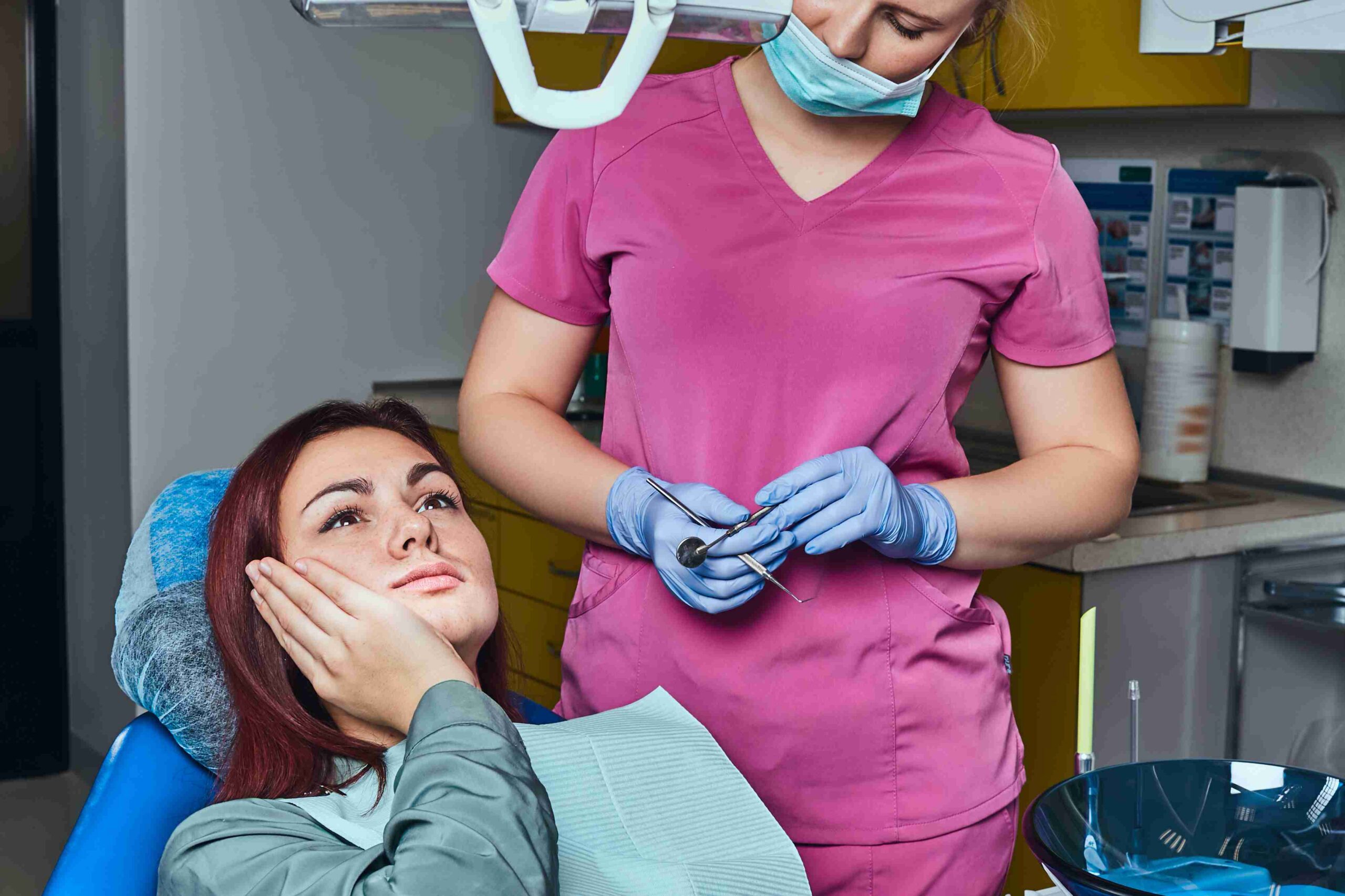
An emergency dentist with no insurance in Farmington Hills, MI search often means a patient has urgent pain, swelling, trauma, a broken tooth, or a lost restoration and needs clear guidance. Severe tooth pain, facial swelling, pus, fever, bleeding that does not stop, knocked-out teeth, or trouble swallowing or breathing should be evaluated promptly. Farmington Hills patients without insurance should ask the dental office directly about emergency visit fees, payment policies, treatment options, and follow-up needs.
A dental emergency is stressful enough without insurance questions, adding more pressure. A tooth may start throbbing at night; a filling may break during a meal, or swelling may appear near the jaw. Patients in Farmington Hills may wonder whether they should wait, especially if they do not have dental insurance.
Searching for an emergency dentist with no insurance for Farmington Hills, MI means the concern should be evaluated rather than guessed at home. Severe pain, swelling, trauma, fever, pus, or bleeding should not be ignored.
Emergency dental care usually starts with a focused exam. Our dentist needs to identify the cause, explain what needs immediate attention, and review options. Payment policies should be confirmed directly with the office.
What counts as a dental emergency
A dental emergency usually involves pain, infection risk, trauma, bleeding, or damage that affects function. Not every chip is urgent, but some symptoms need prompt care.
Severe toothache, facial swelling, knocked-out teeth, broken teeth, uncontrolled bleeding, or signs of infection should be checked quickly. A lost crown or filling may also need attention if the tooth is painful or exposed.
Farmington Hills patients should describe symptoms clearly when calling. Mention swelling, fever, injury, bleeding, and whether eating or sleeping is affected.
When care from an emergency dentist with no insurance in Farmington Hills, MI, may be needed
An emergency dentist with no insurance in Farmington Hills, MI visit may be needed when symptoms suggest infection, deep decay, trauma, tooth fracture, gum abscess, or a damaged restoration.
Urgent care may involve an exam, X-rays when needed, diagnosis, temporary relief, medication when appropriate, or treatment planning. Some emergencies can be treated the same day, while others require follow-up care.
Patients without insurance should ask about the emergency exam, treatment options, and payment policies before treatment begins, when possible. Our dental team can explain what information is available after diagnosis.
Tooth pain that should be checked
Tooth pain may feel sharp, dull, throbbing, or pressure-like. It may happen with cold, heat, chewing, sweets, or even while resting.
Pain that wakes someone from sleep, lingers after temperature changes, or throbs without a clear trigger may suggest deeper irritation. Pain when biting may point to a crack, high filling, or inflamed tissue.
Patients with an urgent toothache from Farmington Hills should not rely only on pain medicine. Pain relief may be temporary while the cause remains untreated.
Swelling and infection warning signs
Swelling near a tooth, gumline, jaw, or face can be linked to infection. Bad taste, pus, fever, or growing pressure can also be warning signs.
Trouble swallowing, trouble breathing, spreading facial swelling, fever, or swelling near the eye needs urgent dental or medical attention. These symptoms should not be delayed.
Patients should not try to drain swelling at home. Our dentist needs to evaluate the source and recommend safe treatment.
Broken teeth and lost fillings
A tooth can break from decay, clenching, trauma, or biting something hard. Some broken teeth hurt immediately. Others only feel rough or sensitive.
A lost filling can expose tooth structure and make the area sensitive to air, sweets, or temperature. A lost crown may leave a shaped tooth vulnerable.
Patients should avoid chewing on the affected side and save any dental crown, filling, or tooth piece in a container. Do not use household glue to repair dental work.
Dental Trauma Needs Quick Action
Dental trauma may involve a chipped tooth, loose tooth, displaced tooth, knocked-out tooth, jaw injury, or cuts inside the mouth. Pain level does not always show how serious the injury is.
If a permanent tooth is knocked out, hold it by the crown, not the root. Keep it moist in milk or inside the cheek if safe, and seek urgent dental care quickly.
Heavy bleeding, jaw injury, head injury signs, or deep cuts may need medical evaluation. A dental exam can also check roots, bones, and surrounding tissues.
What to do before the emergency visit
Rinse gently with warm water if there is debris. A cold compress on the outside of the face may help after swelling or injury. Avoid chewing on the painful side.
Save broken pieces, crowns, or fillings if available. Bring them to the appointment. Avoid placing aspirin directly on gums or teeth because it can irritate tissue.
If there is severe swelling, fever, heavy bleeding, trouble swallowing, or trouble breathing, seek urgent medical or dental care. These symptoms can cause serious problems.
What happens during an emergency dental visit
Our dentist may begin with a focused symptom review. Patients should explain when the problem starts, what makes it worse, and whether swelling, fever, trauma, or drainage is present.
The exam may include checking the painful tooth, nearby teeth, gums, bite, jaw movement, and soft tissues. X-rays may be recommended to look for decay, infection, fractures, bone changes, or problems under older dental work.
After diagnosis, our dentist can explain treatment options. The first visit may focus on stabilizing the emergency, while final care may require another appointment.
No insurance questions to ask
Patients without insurance can still ask clear questions before starting care. Our office can explain its own policies and what information is available before treatment.
Helpful questions include:
- What is the emergency exam fee?
- Are X-rays separate?
- What payment methods are accepted?
- Are payment options available?
- What treatment is urgent today?
- Can final treatment be planned later if safe?
- What happens if I wait?
Asking these questions helps patients understand the visit and the next step.
Why follow-up care matters
Emergency care may reduce pain or protect the tooth temporarily, but it may not complete the full treatment. A tooth may still need a filling, crown, root canal treatment, extraction, or gum care.
Skipping follow-up can allow pain, infection, or breakage to return. A temporary repair may not be designed to last long-term.
Farmington Hills patients should ask what must happen after the urgent visit. Clear follow-up guidance helps protect oral health beyond the emergency.
What patients may value from urgent dental care
Emergency dental care can help patients understand the source of pain and what should happen next.
Patients may value:
- Focused evaluation of pain or swelling
- X-rays when needed
- Broken tooth assessment
- Lost filling or crown review
- Infection warning guidance
- Treatment options after diagnosis
- Payment policy conversations
- Follow-up planning
These benefits depend on the emergency, oral health, and the office’s policies.
Real smiles, real stories
This place is awesome!!! I had a dental emergency and was given an immediate appointment. The staff is super helpful and friendly. – Gerald D.
They were very kind and helpful…they gave me clear directions for care after my procedure. I went in on an emergency basis, and they were so helpful…feeling much better. – Kelly H.
Everyone here is OUTSTANDING! The first dental experience that was actually pain-free! – Mark B.
About the Comfort Dental Spa team
Our team is committed to providing compassionate dental care in a comfortable setting. We take time to explain treatment options, answer questions, and help patients make informed decisions. Interested in learning more? Visit this page now!
Is emergency dental care right for you?
If you’re experiencing sudden tooth pain, swelling, or a dental injury, seeking prompt professional attention may help identify the cause and determine appropriate treatment options. If you’re searching for an emergency dentist in Farmington Hills, MI, that no-insurance residents can trust for urgent evaluations, our team is here to help. Call to schedule an emergency dental assessment.
Frequently Asked Questions
Should I see a dentist if I have severe tooth pain but no insurance?
Absolutely, severe or worsening tooth pain should be evaluated. Ask our dental office directly about emergency exam fees and payment policies. You can contact us for urgent support at (248) 306-8533!
When is swelling a dental emergency?
Swelling with fever, pus, spreading facial swelling, trouble swallowing, or trouble breathing needs urgent dental or medical attention.
Can an emergency dentist have no insurance for Farmington Hills, MI treat a broken tooth?
Yes! Our dentist can evaluate the broken tooth and explain treatment options. The plan depends on damage, pain, decay, and tooth structure. Call our team at (248) 306-8533!
What should I do if a crown falls off?
Save the crown and avoid chewing on that side. Do not use household glue. A dentist should check the tooth underneath.
Can antibiotics fix a dental infection?
Antibiotics may be used in some cases, but they do not remove the source inside a tooth or gum. A dental evaluation is still needed. To book a personalized evaluation with our doctor, contact us at (248) 306-8533!
What if I knock out a permanent tooth?
Hold it by the crown, keep it moist in milk or inside the cheek if safe, and seek urgent dental care quickly.
Can emergency treatment be temporary?
Yes, some emergency visits focus on stabilizing pain or protecting the teeth. Final treatment may need a follow-up appointment.
What should I ask before emergency care starts?
Ask about exam fees, X-rays, urgent treatment options, payment policies, and what follow-up care may be needed after diagnosis.